
Eight years, three languages, and a stubborn belief that the best conversations don't happen across a desk.
Émile Laurent started out the way a lot of journalists do — chasing quotes on a deadline, sitting across a desk from people who had thirty seconds to sound interesting. He spent his twenties in Paris newsrooms, and he got good at the job. What he never got comfortable with was the format: a stranger, a recorder, a set of questions that everyone in the room already knew the answers to. People rarely say anything true when they know exactly how it will be used against them.
He kept noticing that the best material never came from the interview itself. It came from the walk to the café afterward, or the five minutes after he'd switched off the recorder, when the person finally relaxed and said the thing they actually meant.
Émile moved to Sydney eight years ago with no plan beyond curiosity and a one-way ticket. The newsroom instincts didn't disappear, but the desk did. To pay the bills he became a walking-tour guide, which turned out to be the best journalism training he never had: hours on foot with strangers, learning exactly which questions make someone open up and which ones make them recite a rehearsed answer.
From there came a podcast about what it's actually like to build a life in Australia — not the brochure version, the real one, told by the migrants, expats and locals living it. Tourism brands started asking him to film segments. Media outlets started asking for interviews with the people he was meeting on his walks. Somewhere in the middle of all that, walk2talk stopped being a side project and became the work.
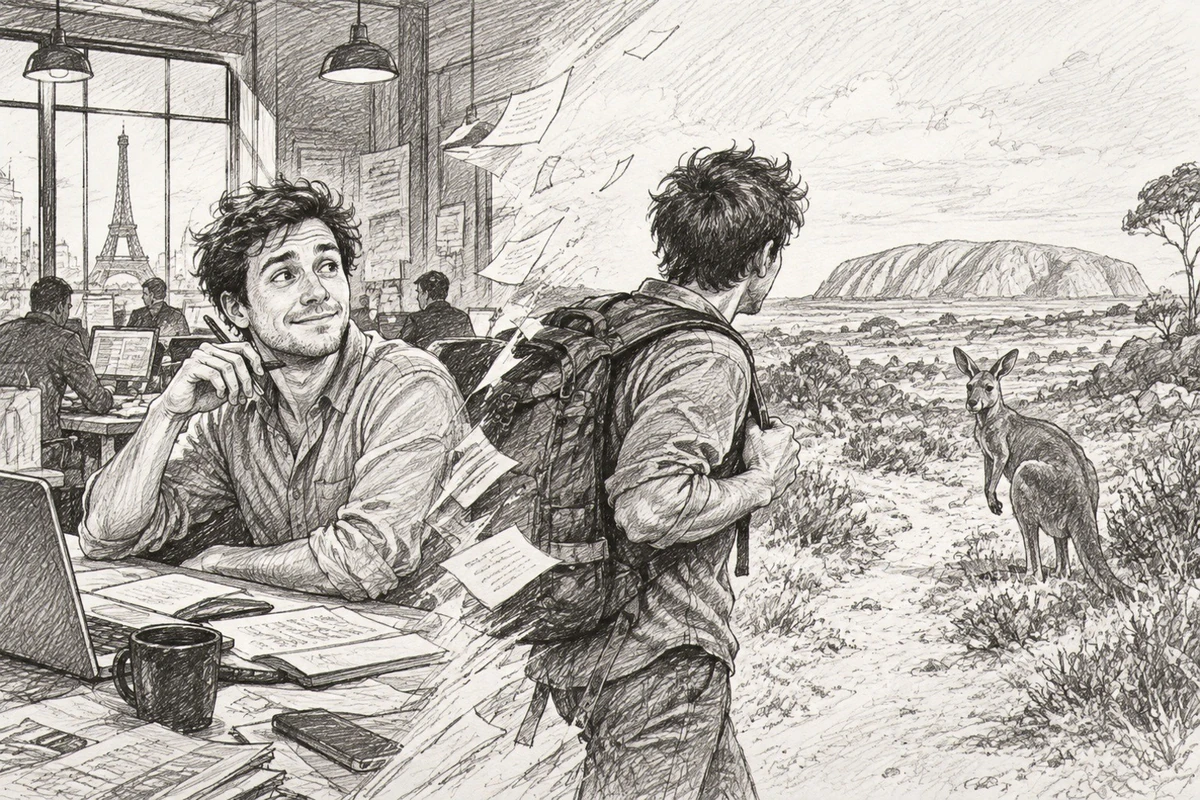
“I don’t take interviews. I go for a walk, and we talk. You’re the story.
That line isn't a slogan someone wrote for him — it's just how he describes what happens on a walk2talk shoot, most days.
Émile prepares thoroughly, but the questions stay loose. A good walk answers questions nobody thought to ask.
Harbours, laneways, rivers, beaches — the city itself does half the work of setting the mood.
English, German and French, so the conversation happens in whichever one lets you think without translating first.
Years of filming for tourism brands means the footage looks intentional, not improvised — even though the conversation is.
Book a free consultation and Émile will suggest a format, a city and a time to go for a walk.
Book a walk